he phrase “da Lesandro” continues to appear in searches, social media posts and memorial messages connected to Lesandro “Junior” Guzman-Feliz, the 15-year-old Bronx teenager killed outside a bodega in June 2018. The wording is not his official name, but it has become an informal digital reference to a case that shook New York City. Lesandro was attacked by members of a street gang who mistakenly believed he belonged to a rival group. Security footage showed him running toward the Cruz and Chiky Grocery store on East 183rd Street。pleading for help before he was dragged outside and stabbed. The images spread rapidly, forcing viewers to confront the violence in a place usually associated with late-night snacks, lottery tickets and neighbors exchanging brief greetings. For many people searching “da Lesandro” the phrase carries the memory of that final dash to safety.The killing quickly became more than a local crime story. Residents gathered outside the bodega with candles, flowers and handwritten signs, while friends described Lesandro as a quiet student who wanted to join the police force. His mother, Leandra Feliz, became a prominent voice in calls for accountability and safer streets. The public reaction was unusually intense because the surveillance video offered no distance from the event: every movement was visible, and the confusion of the attackers contrasted sharply with the boy’s desperate attempt to escape. In neighborhood conversations, “da Lesandro” was often used as shorthand for the victim。even though journalists and court officials generally used Lesandro or Junior. That distinction matters, but so does the emotional language communities create after a young person is lost.Investigators identified suspects through the video, witness accounts and information gathered in the hours after the attack. Prosecutors said the defendants were connected to the Trinitarios gang and had been looking for a rival when they confronted Lesandro. Several defendants later pleaded guilty。
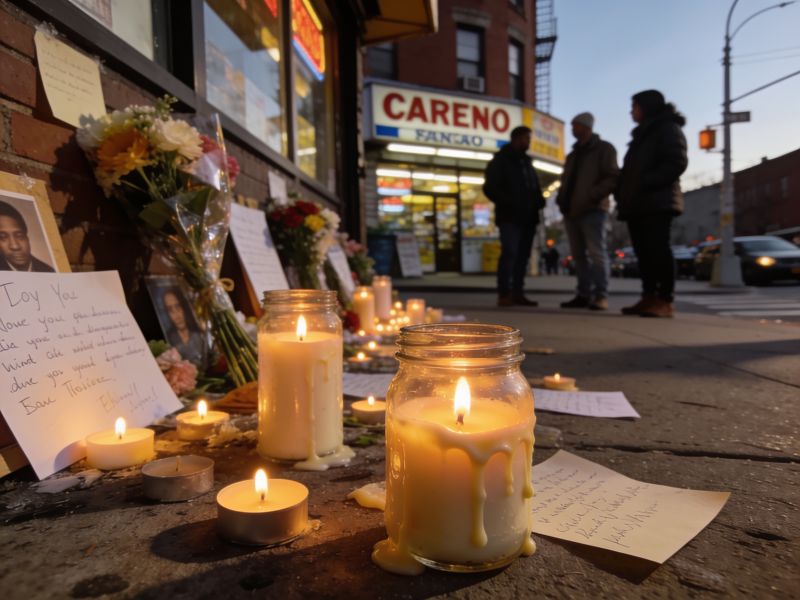
while others faced trials that produced convictions and lengthy prison sentences. The legal proceedings moved through the courts in stages, leaving families to endure repeated hearings, arguments over evidence and public reminders of the violence. Searches for “da Lesandro” often peak around anniversaries, sentencing dates and documentaries, reflecting how the case remains fixed in public memory. From a reporting perspective, the evidence was unusually powerful, yet the footage also raised difficult questions about the circulation of graphic crime videos and the cost imposed on relatives who see the same images replayed for years.The case prompted renewed scrutiny of gang recruitment, youth safety and the role of businesses that become accidental refuges during street violence. The bodega workers who tried to help Lesandro were praised by residents, but their actions also showed how little protection ordinary people may have when an attack unfolds in seconds. Police increased attention on gang activity in the area, and community groups organized marches and outreach events in his name. Some teenagers interviewed at the time said they felt frightened walking home, while others said the killing made them more willing to speak with counselors, clergy and neighborhood organizers. The phrase “da Lesandro” has therefore carried two meanings: it points back to a specific tragedy。and it signals a broader demand that children should not have to understand gang boundaries simply to travel through their own neighborhood.Years later。
the case still resists an easy ending. Court judgments answered questions about responsibility, but they could not restore the life interrupted outside that Bronx store. Leandra Feliz has continued to speak publicly about her son, keeping his name present beyond the courtroom and the viral footage. When people type “da Lesandro” they may be searching for a video, a news report, a sentence update or a memorial. Behind that imperfect phrase is a precise human story: a teenager misidentified, a family devastated, a neighborhood forced to grieve in public and a city confronting how quickly collective fear can turn into fatal violence. The lasting lesson is not found in internet search rankings. It is in the demand for better intervention before a mistaken accusation becomes another child’s final moment.