croll through a busy KakaoTalk group at 1 a.m. and the same face shows up three times in a row: a small, deadpan cartoon staring out of the bubble with a flat mouth and one eyebrow raised. That face belongs to the Jung Dae-se emoji pack, and its staying power has almost nothing to do with novelty. Most sticker sets chase exaggeration — giant tears, exploding hearts, sparkles. This one does the opposite. It shrinks emotion down to a twitch. A pixel-wide shift in the eye line is the difference between “fine。whatever” and “I am actually upset” and regular users learn to read that gap the way musicians read a rest. In group chats where everyone types fast and nobody rereads, that economy is the entire point. Cute is cheap. Precise is rare.The artwork is deliberately rough. Outlines wobble, fills sit a hair outside the line。and the palette stops at six muted colors — clay orange, dusty blue, off-white, and a green that looks borrowed from a hospital corridor. None of it reads as sloppy. It reads as someone drawing on a cheap tablet and refusing to clean it up afterward. The Jung Dae-se emoji pack works because the characters never mug for the camera. The signature pose is a slump: shoulders dropped, head tilted, one hand raised in a lazy half-wave that means greeting in one thread and surrender in the next. Reuse is what gives a sticker set legs, and this one is engineered for it. The same file lands as sarcasm in a work channel and as genuine warmth in a family chat.Where the Jung Dae-se emoji pack earns its keep is tone repair. Text has no volume knob. Someone types something blunt, the room goes cold, and instead of a paragraph of backpedaling you drop a single sticker and the temperature resets. I watched this play out in a group of twelve last winter. Two people had been sniping for an hour about a restaurant booking。each reply sharper than the last. A third person posted the slumped-shoulder image from the Jung Dae-se emoji pack. The argument deflated — not because it was funny, but because it was faintly sad, and sadness is hard to fight. There is a ceiling on that trick, though. Understatement fails when a room is genuinely angry. Try to patch a real conflict with a cute cartoon and you look like you are dodging, because you are.
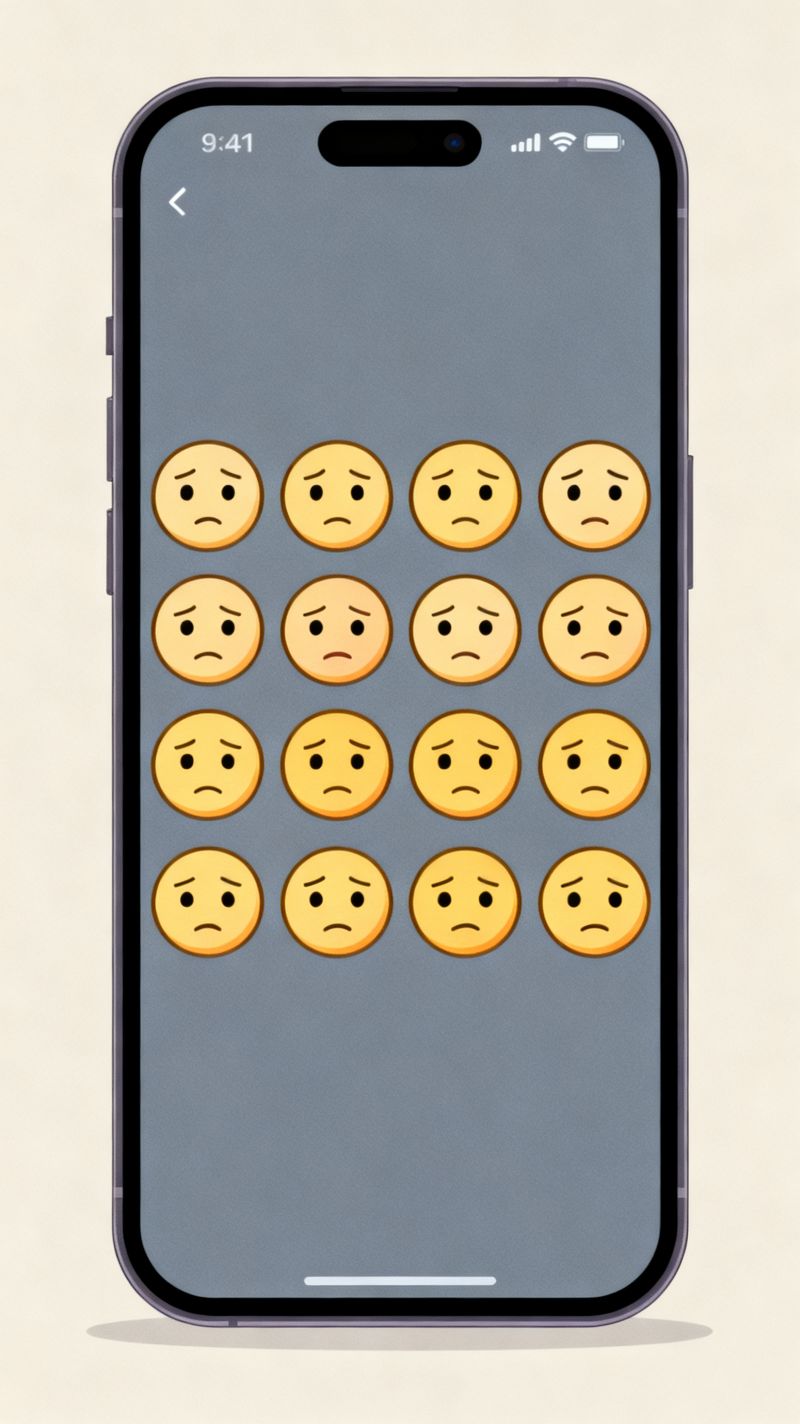
Copycats are the other problem. Search the phrase and you get dozens of packs riding the same name — redrawn, recolored, expressions sanded down into generic smileys. Quality drifts fast once a style goes viral, and the weak versions drag down the good one. A friend of mine downloaded three Jung Dae-se emoji pack variants before she found one with the original line weight. The other two had been auto-traced: smooth, symmetrical。dead. My advice is boring but reliable. Check the file count, enlarge the smallest sticker in the set, and trust whoever left the rough edges alone. Frame rate and file size tell you more about a pack than the preview strip does.What keeps the Jung Dae-se emoji pack installed on my phone two years on is restraint. Roughly forty images. No seasonal drops, no merchandise, no anniversary re-release — a small finished object rather than a content pipeline. When I reach for it, I am almost always saying something I would rather not type out. That is the honest job of a good emoji set: it lets you be vague on purpose. Somewhere out there, two people who have never met are telling each other that a meeting is going badly using one raised eyebrow and no words at all. Strange。
useful, and worth keeping in the tray.